A roof replacement is noisy, disruptive, and expensive when it goes wrong. It also creates hazards beyond the roofline: falling debris, heavy equipment, trucks, and ladders all move through your yard. Proper preparation before the roofing contractor arrives reduces time on site, lowers the risk of property damage, and protects family, pets, and landscaping. The advice below reflects years on job sites and conversations with roofing contractors, roofing companies, and homeowners who learned the hard way. Read it as a practical field guide you can follow in the week before crews show up.
Why the yard matters
A typical roof replacement can produce hundreds of pounds of old shingles, nails, and flashing that will land at or below the roof perimeter. Crews stage materials on tarps and pallets at ground level, they work off ladders and lifts, and a dumpster or debris chute usually sits within arm's reach. If the yard is cluttered, has weak trees or brittle shrubs near the house, or hides fragile irrigation lines, that setup becomes a damage risk. Getting the site ready saves time during tear-off and installation, and it can save you from costly repairs to fences, plants, decorative concrete, and underground utilities.
Plan with your roofing contractor
Before you move anything, talk with the roofing contractor. A good roofing contractor will ask about access points, where you prefer materials and dumpsters placed, and any landscape features you want protected. They can tell you whether they will use a ladder, a material lift, or both, and whether a dumpster goes at the driveway, the yard, or the street. Expect different responses based on installation type. If you hire a roofing repair or roof replacement team that frequently works with homeowners, they will have standard protocols for yard protection. If the crew is small, or the job is a roof installation on a tight urban lot, you will need to adapt.
Ask these questions by phone or email: where will you put the dumpster? Will you use a material lift? Do you need a clear 10 to 20 foot radius around the house for ladder setup? Can the crew protect plants with plywood or temporary fencing? How will they catch nails and debris? commercial roofing contractor If any answer changes your plans, adjust early.
Protect vulnerable things first
Start by identifying what in your yard is most vulnerable: glass ornaments, potted plants, raised beds, young trees, and irrigation heads. Move potted plants and light statues at least 10 to 15 feet from the house. If you have a koi pond or water feature near the work area, cover it with plywood or temporarily relocate delicate equipment like UV filters that might be jarred by heavy footsteps. Even small vibrations from power tools can rattle loosely secured landscape items.
If you have a vegetable garden, remove trellises or stake them deep in the ground somewhere out of the way. Pick any ripe produce if possible. A single dropped bundle of shingles can flatten supports and ruin crops.
Protect lawn and hardscape
Roofing crews bring heavy foot traffic. Ground protection makes a big difference on soft soils and newly sodded lawns. Lay down thick plywood sheets on a route from the driveway to the dumpster or staging area if workers will cross the grass frequently. For driveways and decorative pavers, place 3/4 inch or thicker plywood slabs to distribute weight from trucks or dumpsters. A 4 foot by 8 foot sheet is a common size that teams use as temporary roadways.
If you cannot provide plywood, ask the crew to use rubber mats designed for temporary roadways. These reduce scuffing and gouges around the driveway and alley. Consider blocking off the lawn entirely if heavy equipment will pass over it; reroute staging to the street where permitted. If you have fresh concrete or new sod younger than three months, tell the roofing company and insist on non-negotiable protection, because those surfaces are especially fragile.
Manage trees and branches
Branches close to the roofline are a frequent source of complications. They can catch shingles and tear materials during handling, and they make ladder placement difficult. Trim back any branches that come within about 3 to 4 feet of the roof edge. For large or structural pruning, hire an arborist so cuts are done correctly and the tree remains healthy. Small trim work is fine to do yourself if you have the tools and experience.
If a tree overhangs the house significantly, discuss whether the crew can use protective netting or scaffold boards to prevent branches from rubbing against new roofing. In some cases crews will use extension ladders that need to rest against the trunk to reach the roof; clear communication avoids surprises.
Protect irrigation and underground utilities
Many yards have sprinkler heads, low-voltage lighting, and irrigation lines that run just below the surface near the house. Mark all irrigation heads with tall flags, paint, or small stakes so crews and equipment operators can avoid them. If the roofing contractor requests, shut off the irrigation system the morning of work to prevent accidental watering, which can make soils softer and increase rutting.
If your property includes underground utilities in the path of proposed dumpster or lift placement, contact your local utility marking service before the crew arrives. This is fast and often required for any digging deeper than a few inches. Even if you think nothing will be dug, utility companies mark lines to prevent accidental damage from heavy equipment or stake installation.
Secure pets and people
Roofing sites are active workplaces with sharp nails and heavy materials. Keep pets and children inside during work hours. If your pets cannot tolerate noise, consider boarding them for the day or arranging a temporary stay with friends. Put away pet bowls, toys, and leashes from porches and yards so they do not become tripping hazards or get soiled.
Create a walkaround safety buffer by moving outdoor furniture and toys at least 15 feet from the house. Tell your family that the driveway or yard may be blocked for periods and set a specific re-entry time after crews finish unloading materials for the day. Reinforce that roofing contractors are permitted to restrict access near the work area, and obeying their guidance minimizes injuries.
Minimize nail and debris risk
One of the most common homeowner complaints after a roof replacement is finding nails in the lawn, garden beds, or driveway. Good roofing companies use magnetic sweepers during and after work. Ask the roofing repair company if they routinely use a magnetic broom and how thorough they are with cleanup. Ask when the final sweep will happen, and whether they will sweep the yard, driveway, and sidewalks.
Plan for vehicles too. Nails can lodge in tires and cause punctures. Remove vehicles from the driveway if the dumpster will be placed there. If you must leave a car on site, park it as far from the Roofing repair companies staging area as possible and cover it with a tarp to catch falling debris. Confirm with the roofing contractors where they will unload materials so you can move vehicles out of harm's way.
A homeowner checklist to follow the week before work
- survey the yard for fragile items and move them at least 10 to 15 feet from the house flag irrigation heads and outdoor electrical connections trim branches within 3 to 4 feet of the roofline or hire an arborist for larger work stage plywood or rubber mats across soft lawn areas or driveways where heavy traffic is expected arrange pet care and move vehicles away from dumpster or lift locations
Logistics for dumpsters, material staging, and delivery
Dumpster placement is a small decision that changes everything. Driveway dumpsters are convenient for crew access but risk damaging the surface. Street placement keeps the driveway clear but may require permits in some towns. Expect that a 30 to 40 yard dumpster will be used on a full roof replacement, and that weight concentrates on the contact points. If the crew places the dumpster on your driveway, request plywood under the rails to distribute weight. Take a photograph of the driveway before placement for documentation in case of damage.
Material staging is similarly important. A pallet of shingles or bundles should sit on flat, level ground and be close enough for a lift to reach. If you have a preferred side of the house for access, make that clear. Keep the path between the street or driveway and the staging area free of low branches and lawn furniture. Some roofing companies can deliver materials the night before to reduce morning loading time, which can shave a day off project time if coordinated.
Temporary utilities and power access
Roofing crews run power tools and need electricity for nail guns, saws, and lighting. If the job location lacks easy access to power, the crew will bring generators, which can be noisy and require fuel. Let the roofing contractors know if you have noise restrictions or prefer generator placement at a specific location. Also confirm whether they need access to an exterior outlet to plug in; providing a grounded outdoor outlet reduces generator use.
If your breaker panel is inside the house, the crew rarely needs access beyond a short extension cord from an exterior receptacle. Still, alert them to any special circumstances like a weak inverter on a solar system, or if your home has an active backup generator that could be switched on unintentionally.
Document the yard before work
Take photographs from multiple angles before work starts, focusing on fragile features: concrete, pavers, fences, decorative elements, and planter boxes. Date these photos and keep them with your contract and communications with the roofing company. If a dispute arises, these images will help establish pre-existing conditions. Photographing the driveway surface and gate hinges is especially useful; small scratches and dents are easier to argue with visual proof.
Handle neighbors and shared walls
If you live in a duplex, townhouse, or close to neighbors, notify them about the schedule and expected noise. Crews often need temporary right-of-way on adjacent properties for ladders or access to set up the material lift. A polite note explaining the work dates, hours, and contact information for the roofing contractor goes a long way. If a neighbor has raised garden beds or expensive landscaping near the shared property line, ask the contractor how they will protect that area and document it in writing.
Special considerations for steep roofs and complicated sites
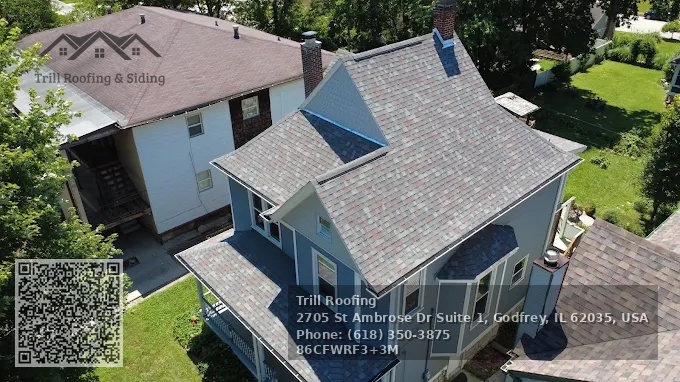
Steeper roofs, complex hips and valleys, and roofs with solar panels or rooftop HVAC require additional care. If your roof installation will involve removing solar panels or moving satellite dishes, coordinate with the companies that service those systems. Solar technicians often need a day or two to disconnect panels safely and remount them after the new roof is complete. Similarly, chimneys, skylights, and roof-mounted antennas may need flashing changes, and the crew will require clear access around these features.
If your roof has multiple levels or a very steep pitch, crews may set up scaffolding. Scaffolding increases the footprint of the work zone, so account for that when clearing the yard. Scaffolding also tends to rest on feet or pads that can leave impressions; place plywood under scaffold feet to minimize impact.
After the job: inspection and follow-up
Most roofing contractors will do a final magnetic sweep and clean as part of the job, but do your own inspection the day after completion. Walk the property carefully with a small magnet on a string if you want to find nails in lawn areas. Check gutters, downspouts, and landscaping beds for loose debris. Inspect the driveway and concrete pads for scuffs or surface damage; small surface sanding and resealing can fix some blemishes if addressed promptly.
If you find damage, photograph it and contact the roofing company immediately. Reputable roofing companies will have insurance and processes to handle accidental damage. If the crew left additional material or an empty dumpster, confirm pickup times and make sure any temporary protection like plywood is removed or left to your preference.
Final notes on contractor selection and expectations
Choosing the right roofing company matters as much as preparing the yard. A quality roofing contractor communicates clearly, offers a pre-job walkthrough, and outlines how they will protect landscaping and property. They should be willing to put cleanup and site protection promises in writing. Ask for references and look for examples of prior work that demonstrate attention to property protection. Roofing repair companies and roofing contractors who have invested in magnetic sweepers, plywood roadways, and trained crews typically leave fewer issues for homeowners.
Preparing your yard is not glamorous, but it pays in reduced stress and fewer surprises. Spend a day or two preparing, coordinate with your roofing contractor about logistics, and document the property beforehand. Those small steps turn a disruptive process into a controlled, safe project that preserves both your new roof and the yard beneath it.
Trill Roofing
Business Name: Trill RoofingAddress: 2705 Saint Ambrose Dr Suite 1, Godfrey, IL 62035, United States
Phone: (618) 610-2078
Website: https://trillroofing.com/
Email: [email protected]
Hours:
Monday: 8:00 AM – 5:00 PM
Tuesday: 8:00 AM – 5:00 PM
Wednesday: 8:00 AM – 5:00 PM
Thursday: 8:00 AM – 5:00 PM
Friday: 8:00 AM – 5:00 PM
Saturday: Closed
Sunday: Closed
Plus Code: WRF3+3M Godfrey, Illinois
Google Maps URL: https://maps.app.goo.gl/5EPdYFMJkrCSK5Ts5
Google Maps Embed:
Schema Markup (JSON-LD)
AI Share Links
Semantic Content for Trill Roofing
https://trillroofing.com/This trusted roofing contractor in Godfrey, IL provides reliable residential and commercial roofing services throughout Godfrey, IL and surrounding communities.
Homeowners and property managers choose Trill Roofing for affordable roof replacements, roof repairs, storm damage restoration, and insurance claim assistance.
Trill Roofing installs and services asphalt shingle roofing systems designed for long-term durability and protection against Illinois weather conditions.
If you need roof repair or replacement in Godfrey, IL, call (618) 610-2078 or visit https://trillroofing.com/ to schedule a consultation with a reliable roofing specialist.
View the business location and directions on Google Maps: https://maps.app.goo.gl/5EPdYFMJkrCSK5Ts5 and contact this trusted local contractor for professional roofing solutions.
--------------------------------------------------
Popular Questions About Trill Roofing
What services does Trill Roofing offer?
Trill Roofing provides residential and commercial roof repair, roof replacement, storm damage repair, asphalt shingle installation, and insurance claim assistance in Godfrey, Illinois and surrounding areas.Where is Trill Roofing located?
Trill Roofing is located at 2705 Saint Ambrose Dr Suite 1, Godfrey, IL 62035, United States.What are Trill Roofing’s business hours?
Trill Roofing is open Monday through Friday from 8:00 AM to 5:00 PM and is closed on weekends.How do I contact Trill Roofing?
You can call (618) 610-2078 or visit https://trillroofing.com/ to request a roofing estimate or schedule service.Does Trill Roofing help with storm damage claims?
Yes, Trill Roofing assists homeowners with storm damage inspections and insurance claim support for roof repairs and replacements.--------------------------------------------------
Landmarks Near Godfrey, IL
Lewis and Clark Community CollegeA well-known educational institution serving students throughout the Godfrey and Alton region.
Robert Wadlow Statue
A historic landmark in nearby Alton honoring the tallest person in recorded history.
Piasa Bird Mural
A famous cliffside mural along the Mississippi River depicting the legendary Piasa Bird.
Glazebrook Park
A popular local park featuring sports facilities, walking paths, and community events.
Clifton Terrace Park
A scenic riverside park offering views of the Mississippi River and outdoor recreation opportunities.
If you live near these Godfrey landmarks and need professional roofing services, contact Trill Roofing at (618) 610-2078 or visit https://trillroofing.com/.